
Termites are one of the most destructive pests affecting Australian homes. Often called silent destroyers, they can cause serious structural damage long before homeowners realise there is a problem. By the time visible damage appears, repairs can already be costly and extensive.
Understanding the early warning signs of termite activity is essential for protecting your property. A timely termite inspection can help identify hidden infestations, limit damage, and reduce long-term repair costs. This guide explains the most common signs that indicate you need a termite inspection now, especially in termite-prone areas across Australia.
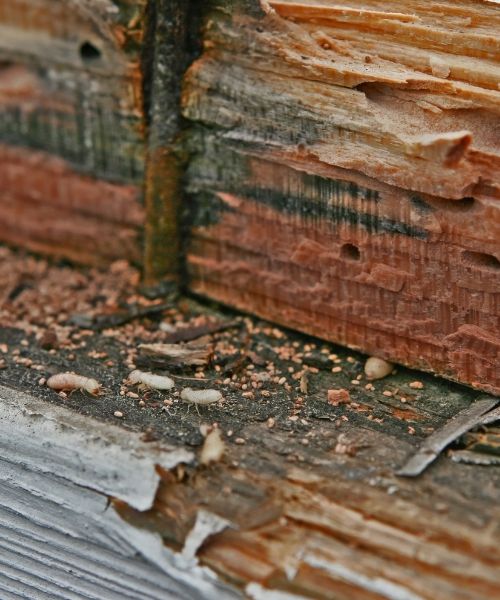
Why Early Detection Through a Termite Inspection Matters
Termites feed on cellulose found in timber, paper, and some building materials. Because they work quietly and remain hidden inside walls, floors, and roof voids, infestations often go unnoticed.
Early detection through a professional termite inspection allows property owners to:
- Identify termite activity before severe damage occurs
- Understand risk areas within the property
- Take preventative action to protect structural timber
- Avoid unexpected repair expenses
In Australia, no home is completely immune to termites. Even well-maintained properties can be at risk due to environmental factors and surrounding conditions.
Visible Timber Damage That Signals a Termite Inspection Is Needed
One of the most obvious warning signs is visible damage to timber structures. Termites consume wood from the inside out, which means surfaces can look intact while the internal structure is compromised.
Look out for:
- Timber that sounds hollow when tapped
- Soft or crumbly wood
- Sagging skirting boards or door frames
- Buckling timber floors
This type of damage is often mistaken for water damage or general ageing. A termite inspection is the only reliable way to confirm whether termites are the cause.
Mud Tubes Around Your Property
Mud tubes are one of the clearest indicators of active termite activity. Subterranean termites build these tunnels to travel between their nest and a food source while staying protected from air and light.
Common locations for mud tubes include:
- External walls
- Brickwork foundations
- Weep holes
- Garden retaining walls
- Inside subfloor areas
Even if mud tubes appear dry or abandoned, they still indicate termite presence at some stage. A termite inspection is required to determine if the infestation is active or ongoing.
Doors and Windows Becoming Hard to Open
When termites damage timber frames, they can cause doors and windows to warp or swell. This can make them difficult to open or close properly.
Warning signs include:
- Tight-fitting doors
- Sticking windows
- Frames that appear distorted
These issues are often blamed on humidity or foundation movement. However, a termite inspection is essential to rule out termite-related structural changes.
Discarded Wings Near Windows or Light Sources
Flying termites, also known as alates, emerge during warmer months to establish new colonies. After swarming, they shed their wings, which are often found near light sources.
You may notice:
- Piles of small, translucent wings
- Wings on window sills or near doors
- Increased insect activity indoors
The presence of discarded wings usually means a termite colony is nearby. This is a strong indication that a termite inspection should be arranged immediately.
Cracked or Bubbling Paint That Looks Like Water Damage
Termites create moisture as they tunnel through timber, which can affect surrounding paint and plaster. This often causes paint to bubble, peel, or crack.
Signs to watch for:
- Blistered paint on walls
- Discoloured plaster
- Small cracks are appearing without an obvious cause
Because these signs closely resemble water damage, they are often overlooked. A termite inspection can help identify the true cause before damage spreads.
Unexplained Clicking or Rustling Sounds
In quiet conditions, some homeowners report faint clicking or rustling noises coming from walls or ceilings. These sounds can be caused by termites communicating or moving within timber.
You might notice:
- Tapping sounds inside the walls
- Faint rustling at night
- Noise near structural timber
While subtle, these sounds should not be ignored. A termite inspection can confirm whether pests are present within hidden areas of the structure.
Frass or Termite Droppings Around the Home
Drywood termites produce small droppings known as frass. These droppings resemble fine pellets or sawdust and are often found near timber structures.
Common places to find frass include:
- Window frames
- Door frames
- Beneath timber furniture
- Along skirting boards
Frass indicates an active infestation and should prompt an immediate termite inspection to prevent further damage.
Hollow Sounding Walls or Floors
When termites eat timber from the inside, they leave thin surface layers intact. This can cause walls or floors to sound hollow when knocked.
Check for:
- Hollow sounds behind plaster
- Spongy flooring underfoot
- Unexpected movement in timber surfaces
These signs suggest internal damage that may not be visible. A professional termite inspection is essential to assess the extent of the problem.
Increased Moisture Levels Around the Property
Termites are attracted to moisture and thrive in damp environments. Conditions that increase moisture around your home can raise the risk of infestation.
Risk factors include:
- Poor drainage around foundations
- Leaking pipes or taps
- Blocked gutters
- Inadequate ventilation in subfloor areas
If your property has ongoing moisture issues, regular termite inspections are strongly recommended as part of preventative maintenance.
Termite Activity in Nearby Properties
If termites have been identified in neighbouring homes or surrounding areas, your property may also be at risk. Termite colonies can extend across multiple properties in search of food sources.
Situations that increase risk include:
- Shared boundaries or fencing
- Similar construction styles
- Close proximity to bushland
Arranging a termite inspection can help identify vulnerabilities before termites establish themselves within your home.
Why DIY Checks Are Not Enough
While homeowners can spot some warning signs, termites often remain hidden in inaccessible areas. DIY inspections cannot replace the thorough assessment provided by trained and licensed professional service providers.
A professional termite inspection typically includes:
- Roof void and subfloor assessment
- External perimeter checks
- Moisture detection
- Identification of conducive conditions
This comprehensive approach ensures early detection and accurate assessment of risk.
How Often Should You Schedule a Termite Inspection
Australian standards recommend regular termite inspections, even if no signs are visible.
General guidelines include:
- Annual termite inspections for most homes
- More frequent inspections for high-risk properties
- Additional inspections after renovations or landscaping
Consistent termite inspections are one of the most effective ways to protect your property long term.
Conclusion
Termites can cause serious damage without obvious warning, making early detection essential. Recognising the early warning signs that mean you need a termite inspection now can help protect your home, preserve its structural integrity, and avoid costly repairs.
If you have noticed any of the signs outlined above or want peace of mind about your property’s condition, arranging a professional termite inspection is a smart step. Contact us today to organise a thorough inspection and help safeguard your property against termite damage.