
Termite infestations are a serious concern for Australian property owners. With termites causing millions of dollars in structural damage each year, understanding the available termite treatment options is essential for protecting homes, commercial buildings, and strata properties.
Different properties require different termite management approaches. Factors such as building type, construction materials, soil conditions, and infestation severity all influence which treatment method is most effective. This guide explains the most common termite treatment options used in Australia and how each method works, helping property owners make informed decisions.
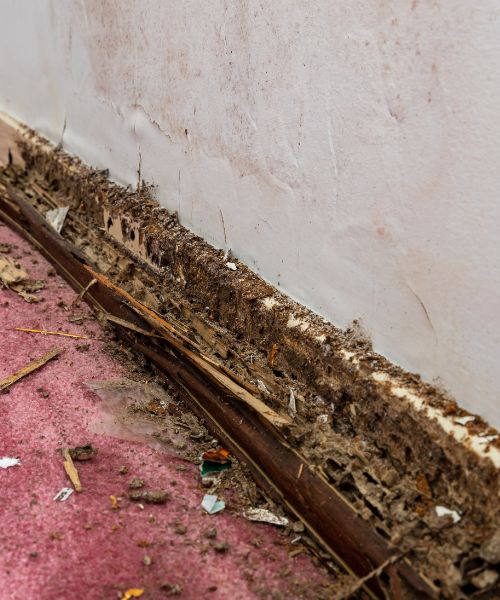
Understanding Termite Treatment and Management
Termite treatment is not a one-size-fits-all solution. In Australia, professional termite management focuses on long-term prevention rather than short-term eradication. The goal is to either eliminate existing termite colonies or create a protective zone that prevents termites from accessing the structure.
Effective termite treatment typically involves:
- Identifying the termite species present
- Assessing the extent of activity or damage
- Evaluating construction and site conditions
- Implementing suitable treatment methods
- Ongoing termite monitoring and inspections
Australian Standards recommend an integrated approach that combines physical, chemical, and monitoring strategies where appropriate.
Chemical Soil Termite Treatments
Chemical soil treatments are one of the most widely used termite treatment options in Australia. These treatments involve applying termiticides to the soil around and beneath a structure to create a continuous treated zone.
How Chemical Soil Treatments Work
The treated soil acts as a barrier that termites cannot cross without being exposed to the termiticide. Depending on the product used, termites may be repelled or slowly eliminated after contact.
Common Types of Chemical Treatments
- Liquid soil-applied termiticides
- Non-repellent chemical treatments
- Repellent chemical treatments
Benefits of Chemical Termite Treatments
- Provides immediate protection
- Effective for active infestations
- Long-lasting when installed correctly
- Suitable for existing and new buildings
Considerations
- Requires professional application
- Soil disturbance can affect longevity
- Reapplication may be needed over time
Chemical treatments remain a popular choice for properties with high termite pressure or where rapid intervention is required.
Physical Termite Barrier Systems
Physical termite barriers are a preventative termite treatment option commonly installed during construction. These systems create a physical obstruction that prevents termites from entering the building.
Types of Physical Barriers
- Stainless steel mesh barriers
- Graded stone particle barriers
- Sheet materials integrated into slab penetrations
How Physical Barriers Protect Structures
Physical barriers are designed so that termites cannot chew through or bypass them without being detected. When installed correctly, they provide long-term protection without relying on chemicals.
Advantages of Physical Termite Barriers
- Non-chemical solution
- Long service life
- Low maintenance requirements
- Ideal for new builds
Limitations
- Retrofitting into existing buildings can be difficult
- Installation errors can compromise effectiveness
- Higher upfront installation costs
Physical termite barriers are commonly used in conjunction with other termite treatment methods for comprehensive protection.
Termite Baiting Systems
Termite baiting systems are a strategic termite treatment option focused on colony elimination rather than exclusion. These systems are widely used across Australia for residential and commercial properties.
How Termite Baiting Systems Work
Bait stations are installed in the ground around a property or within active termite zones. Termites feed on the bait and carry it back to the colony, gradually reducing and eliminating the population.
Key Features of Termite Baiting
- Targets the entire termite colony
- Minimal impact on the surrounding environment
- Allows ongoing monitoring
Benefits of Baiting Systems
- Suitable for complex or sensitive sites
- Low disruption to structures
- Effective for subterranean termite species
- Supports long term termite management
Important Considerations
- Requires regular monitoring
- Colony elimination can take time
- Ongoing service is essential for effectiveness
Baiting systems are often recommended for properties where soil treatments are impractical or where environmental sensitivity is a concern.
Foam and Dust Termite Treatments
Foam and dust applications are targeted termite treatment methods commonly used for active infestations within walls, timbers, or confined spaces.
How Foam and Dust Treatments Are Used
These treatments are applied directly to termite workings, galleries, or nests. The product spreads through the colony via termite contact and grooming behaviour.
Advantages of Foam and Dust Applications
- Highly targeted treatment
- Minimal structural disturbance
- Effective for localised infestations
- Can reach hidden termite activity
Limitations
- Not suitable as a standalone long term solution
- Does not create a protective perimeter
- Best used alongside other treatment options
Foam and dust treatments are typically part of an integrated termite management plan rather than a sole control method.
Pre-Construction Termite Treatment Options
Pre-construction termite treatment is a critical step in protecting new buildings from future infestations. Australian building regulations require termite management systems to be installed during construction.
Common Pre Construction Treatments
- Chemical soil treatments before slab pour
- Physical termite barriers installed during construction
- Combination systems for enhanced protection
Benefits of Pre-Construction Termite Treatment
- Easier and more cost-effective installation
- Continuous protection beneath the structure
- Long-term compliance with building standards
Choosing the correct pre-construction termite treatment can significantly reduce the risk of termite damage over the building’s life.
Choosing the Right Termite Treatment Option
Selecting the best termite treatment option depends on several important factors. A professional assessment is essential to determine the most suitable approach.
Factors That Influence Treatment Selection
- Property type and age
- Construction design and materials
- Soil conditions and moisture levels
- Presence of active termites
- Environmental considerations
- Budget and long-term maintenance expectations
In many cases, a combination of treatment methods provides the most reliable protection.
The Importance of Ongoing Termite Monitoring
No termite treatment offers permanent protection without ongoing monitoring. Regular termite inspections play a vital role in identifying breaches, new activity, or environmental changes that increase risk.
Why Monitoring Matters
- Detects termites early
- Ensures treatment systems remain effective
- Helps prevent costly structural damage
- Supports long-term property protection
Australian Standards recommend regular inspections regardless of the termite treatment method used.
Conclusion
Understanding termite treatment options empowers property owners to protect their investment more effectively. Each method offers unique advantages, and the best results are achieved through professional assessment and integrated termite management strategies.
Whether dealing with an active infestation or planning preventative measures, choosing the right termite treatment is essential for long-term structural protection and peace of mind.For expert guidance and tailored termite management solutions, contact us today to arrange a professional assessment and protect your property from termite damage.