
If you’ve lived in Sydney long enough, you’ve probably heard a story or two about termites. A neighbour discovers their floor joists have been hollowed out. A friend gets their pre-purchase inspection back, and the news isn’t good. Or maybe you’ve seen the bill someone copped after ignoring a few warning signs for too long.
There are some places across Sydney where termite damage is at a higher risk than others. Of course, the location, house’s age, what’s in your backyard, and what’s underneath your slab all contribute to termite risk.
In this article, we explore the Suburbs of Sydney where there is more termite activity. We explain why those areas are more vulnerable and discover how termite barriers provide your property with a genuine line of defense.
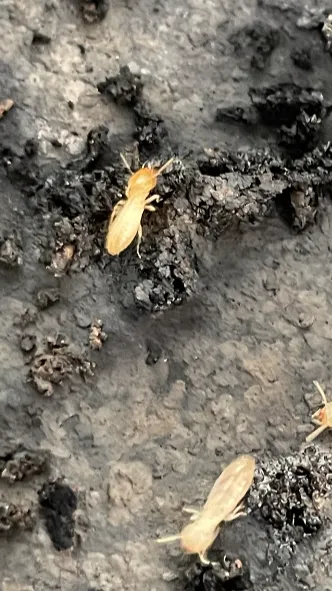
Why Your Suburb Actually Matters
Before jumping into the list, it’s worth understanding what makes one street riskier than another. Termites don’t just show up randomly; they thrive in specific conditions.
Older housing stock is a big one. Homes built before the 1980s often used untreated timber extensively and were constructed before modern termite protection standards existed. If the house hasn’t had a barrier installed retrospectively, it’s essentially unprotected.
Proximity to bushland and tree cover is another major factor. Termites live in the ground and in decaying wood. The more bush and garden surrounding your property, the more likely there’s an active colony somewhere close by.
Soil type and moisture play a role too. Clay-heavy soils hold moisture for longer, and termites are drawn to damp conditions. Low-lying areas, properties near creeks or rivers, and suburbs with heavier rainfall patterns tend to see more activity.
Urban development and construction can actually displace termite colonies from the bush into established residential areas. Subdivisions cut into bushland push termites closer to homes, a pattern that’s played out in several parts of Greater Sydney over the past two decades.
The Sydney Suburbs Where Termite Risk Runs High
Hornsby and Berowra
The Upper North Shore and Hawkesbury fringe suburbs are among the most consistently flagged areas for termite activity in Sydney. Hornsby and Berowra back onto national park and bushland on multiple sides, and the leafy streetscapes, charming as they are, create ideal foraging conditions for subterranean termite species.
Homes in these areas tend to be older, and many were built in an era when chemical soil treatment simply wasn’t part of the process. If you own a home here that hasn’t had a termite inspection in the last 12 months, it’s worth getting one on the calendar.
Penrith and Emu Plains
The Western Sydney corridor around Penrith has seen enormous growth, but it also sits in an area with river flats and significant vegetation along the Nepean River. That combination: moisture-retaining soil and nearby natural bush cover, creates the kind of environment termites actively seek out.
Emu Plains in particular is regularly mentioned by inspectors due to its older housing stock and the way properties back onto reserves and riparian zones. Even newer homes in the area can pick up activity if the land around them hasn’t been properly treated.
The Hills District — Baulkham Hills and Castle Hill
The Hills Shire is a mixed bag in terms of housing age and construction style, but that’s part of what makes it interesting from a termite risk perspective. Older fibro and timber homes from the 1960s and 70s sit alongside newer builds, and not all of them have had adequate protection installed or maintained.
The tree canopy in suburbs like Baulkham Hills and Castle Hill is substantial. Large eucalypts and established gardens provide termite colonies with exactly the kind of food source and cover they need to establish themselves close to residential structures.
Wahroonga and Turramurra
These Upper North Shore suburbs are well-known for beautiful homes, many of which are also well-known to termite inspectors for exactly that reason. Heritage properties, older weatherboard homes, and large established gardens combine with the proximity to Lane Cove National Park to create an elevated risk.
Some of the most costly termite damage claims in Sydney have come from this part of the city. The homes are valuable, the timber used in construction is often significant in volume, and the conditions favour termite activity year-round.
Sutherland and Engadine
The Sutherland Shire consistently features in discussions about Sydney’s high-risk termite zones. Engadine in particular, tucked between Royal National Park and the escarpment, sees regular termite pressure because of how the suburb interfaces with bushland on multiple sides.
Older housing stock, elevated moisture from the surrounding bush, and limited barrier protection in a portion of the housing stock all contribute to the risk. It’s not unusual for inspectors working in this area to find activity in properties where the owners had no idea anything was present.
Parramatta
Parramatta might seem like an outlier on this list given how urbanised it is, but the suburb and its surrounding residential areas have a high density of older homes, many dating back decades. Older residential stock without updated termite protection is vulnerable regardless of how suburban the environment looks.
The soil conditions around parts of Parramatta also retain moisture effectively, and ongoing construction and redevelopment in the area can disturb existing termite populations and push them into neighbouring properties.
Campbelltown and the Macarthur Region
Rapid development along Sydney’s south-western fringe has brought suburbs like Campbelltown, Leumeah, and surrounding areas into closer contact with previously undisturbed bush. That displacement effect mentioned earlier is highly relevant here.
Soil in this region tends to have a clay composition, which holds moisture and supports termite activity. Inspectors working through Macarthur regularly find activity in homes that were built without adequate pre-construction treatment, a problem that’s especially pronounced in estates that developed quickly without consistent quality control on builder practices.
How Termite Barriers Actually Work

Knowing your suburb is high-risk is useful information, but it needs to lead somewhere actionable. That’s where termite barriers come in.
There are two types, and they work quite differently.
Physical barriers are installed during construction. They’re typically made from stainless steel mesh, crushed rock, or high-density sheeting and are placed beneath the slab, around penetrations, and in weep holes. The idea is to create a zone that termites can’t pass through undetected; they have to come up and over, which makes them visible during an inspection.
Chemical barriers are the more common solution for existing homes. A licensed technician treats the soil around and beneath the structure with a termiticide, creating a treated zone that either repels termites or transfers a lethal dose back to the colony. Modern chemical barriers use products that are highly effective and low in toxicity to humans and pets.
Both approaches are covered under Australian Standard AS 3660, which sets the requirements for termite management in new and existing buildings. If you want a detailed comparison of both options, we’ve covered this topic in depth in our post on chemical vs physical termite barriers.
When to Install a Barrier, And When to Act Urgently
For new builds, pre-construction termite protection should be non-negotiable. It’s significantly cheaper to install protection during the build than to retrofit it later, and in most cases, it’s required under the Building Code of Australia anyway.
For existing homes, the right time to install a barrier is as soon as a termite inspection confirms you’re at risk or shows signs of activity in the vicinity. In high-risk suburbs like those listed above, the conversation about protection shouldn’t wait until you find evidence of termites inside your walls.
If you’ve recently moved into a property, or if you can’t remember the last time the home was inspected, that’s your prompt to get one booked.
Maintenance Matters
A termite barrier is not a one-time fix. Chemical barriers generally need to be renewed every 8 to 10 years, though this depends on the specific product used and the conditions at the site. Physical barriers don’t degrade in the same way, but they still need to be checked annually to confirm they haven’t been disturbed by landscaping, renovations, or movement in the structure.
Regardless of what type of barrier you have, an annual termite inspection is essential. Inspectors will check the integrity of your barrier, look for signs of activity, and flag anything that needs attention before it becomes a bigger problem.
Don’t Let Location Be an Excuse to Wait
Here’s the honest version of what all of this adds up to: if you live in one of the suburbs above, or in any area where older homes, bushland, and moisture-retaining soil are part of the picture, the question isn’t really whether you’re at risk. It’s how much protection you currently have in place.
Termite damage repairs routinely run into the tens of thousands of dollars. A solid barrier, maintained properly, costs a fraction of that over its lifetime.
The Termite Corp team services suburbs right across Sydney and can assess your property, explain your options clearly, and install protection that meets Australian standards. Whether you’re in the Upper North Shore, the Hills District, Western Sydney, or the Sutherland Shire, we’ve worked in your area, and we know the conditions your home is up against.
Book a termite inspection today! It’s a straightforward process, and it’s the best way to know exactly where you stand.